If you think back to June 2023, the global landscape of football is vastly different to it is today.
On my blog posts, I’ll be playing Football Manager 2024, with saves starting back in June 2023.
Let’s take a closer look back at the way things were…
1. England: Guardiola has conquered Europe, and Ten Hag has a project to finish
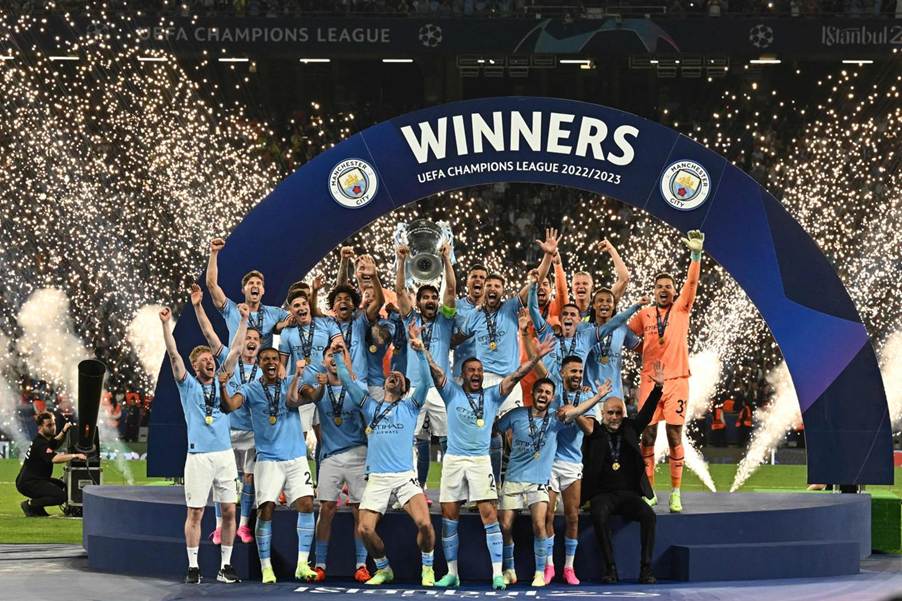
The Premier League’s season ended with Manchester City doing what once seemed almost impossible: winning the treble. Pep Guardiola’s side have added the Champions League to their fifth league title in six seasons and their FA Cup victory over Manchester United. The argument is no longer about whether City are England’s dominant team. It is about how anyone can stop them.
The challengers are intriguing, if imperfect.
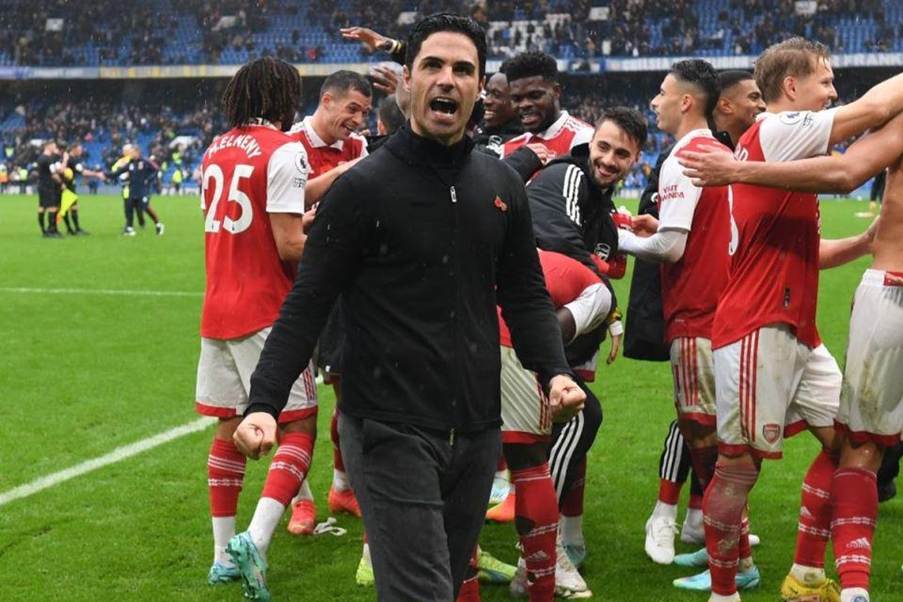
Arsenal finished second after leading the league for much of the campaign, but Mikel Arteta’s young side ran out of steam in the final weeks. Bukayo Saka, Martin Ødegaard and William Saliba represent the beginnings of a team capable of challenging for years. Declan Rice, West Ham’s captain, is one of the summer’s most coveted midfielders.
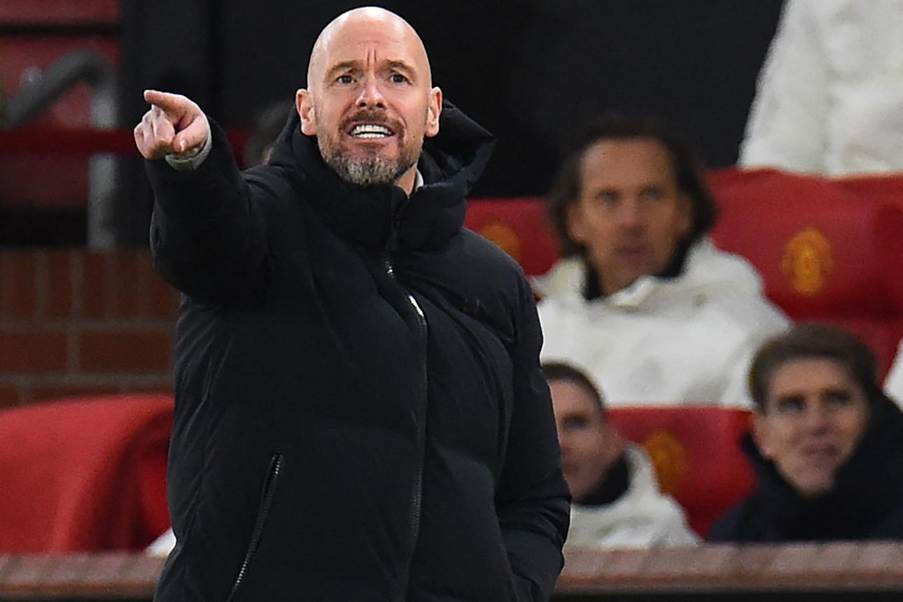
At Manchester United, Erik ten Hag has delivered a Carabao Cup, a third-place finish and a return to the Champions League in his first season. The football is not yet consistently convincing, and the centre-forward position remains a concern. Harry Kane is an obvious dream target; whether Tottenham would sell him to a domestic rival is another matter.
United’s ownership saga is still unresolved. The Glazer family have been considering offers from Sheikh Jassim bin Hamad Al Thani and Sir Jim Ratcliffe. The club needs investment, clarity and a striker, but its supporters cannot even be sure who will own it by the time the season begins.
Liverpool, meanwhile, have finished fifth and will miss the Champions League. Jürgen Klopp’s midfield requires rebuilding, with Alexis Mac Allister already arriving from Brighton. Chelsea have endured a spectacular collapse to 12th, spending heavily under Todd Boehly and ending up with an interim manager in Frank Lampard. Mauricio Pochettino is expected to restore some order.
And then there is Newcastle United. Their Saudi-backed owners have taken them from relegation trouble to the Champions League in remarkably little time. Eddie Howe has built an energetic, tactically coherent team, but the coming season will test whether they can compete across four competitions.
The relegation battle has acquired a financial dimension
Everton survived on the final day of the season, while Nottingham Forest secured their place in the division after an extraordinary January spending spree. Both clubs have faced scrutiny over their finances.
One important correction to the historical picture: neither Everton nor Nottingham Forest had received a Premier League points deduction by July 3, 2023. Everton’s first deduction, of 10 points, would not arrive until November; Forest’s four-point penalty would follow in March 2024. The threat of financial regulation is already part of the story, but the sanctions belong to the future.

Premier League
+1
For Leicester City, Leeds United and Southampton, the immediate problem is more straightforward: they are preparing for life in the Championship. Leicester have lost their Premier League status just seven years after winning the title, and the speed of their decline is startling.
2. Spain: Barcelona are champions, Madrid want Jude Bellingham, and a teenager is waiting
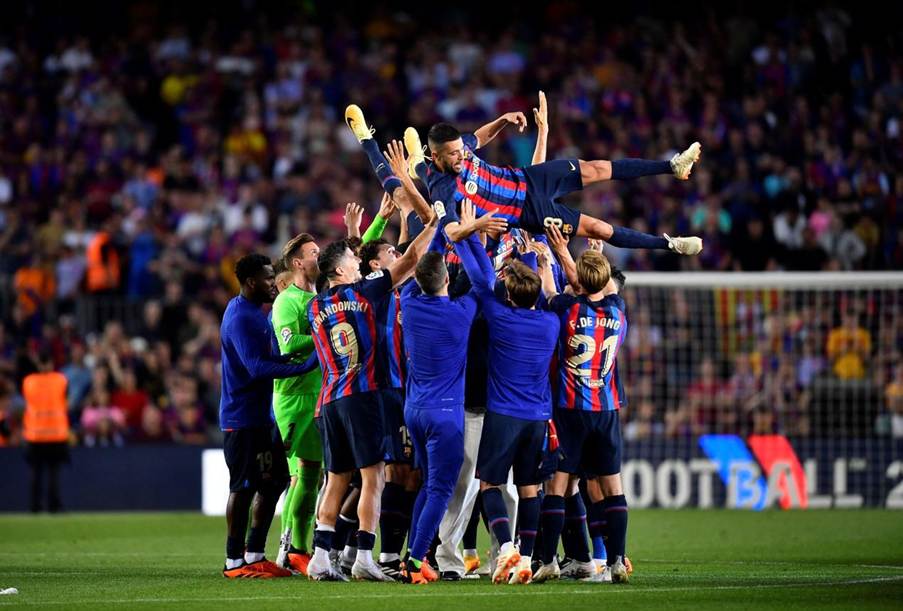
Barcelona have won La Liga, with Xavi Hernández delivering the club’s first league title since 2019. Robert Lewandowski has supplied the goals, Marc-André ter Stegen has been outstanding, and the defence has been far more reliable than in recent seasons. The financial problems remain, however, and registering new players is still a complicated business.
Lionel Messi is leaving Paris Saint-Germain, but a return to Barcelona has not materialised. Instead, the greatest player of his generation has chosen Inter Miami, taking his talents to Major League Soccer. It is a major moment for American soccer, even if it leaves Barcelona supporters wondering what might have been.

ESPN
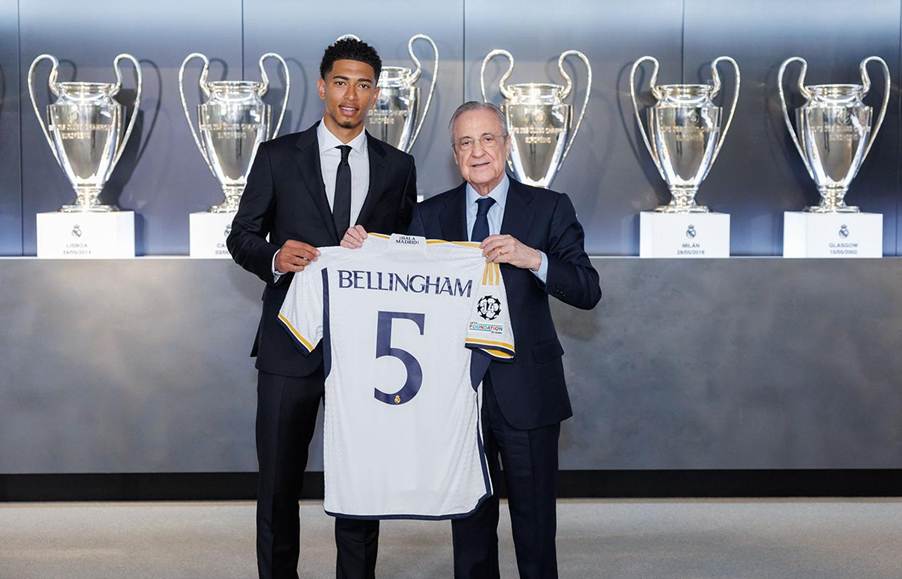
Real Madrid have responded by signing Jude Bellingham from Borussia Dortmund. The 19-year-old England midfielder arrives with an extraordinary reputation, and Madrid are assembling a side that combines established stars with a younger generation. Vinícius Júnior is becoming one of the world’s most devastating forwards; Federico Valverde, Eduardo Camavinga and Aurélien Tchouaméni offer athleticism and versatility.
Karim Benzema has departed for Saudi Arabia, while Luka Modrić and Toni Kroos remain. The transition from Madrid’s great midfield generation is under way, but nobody should assume the club will be rebuilding for long.
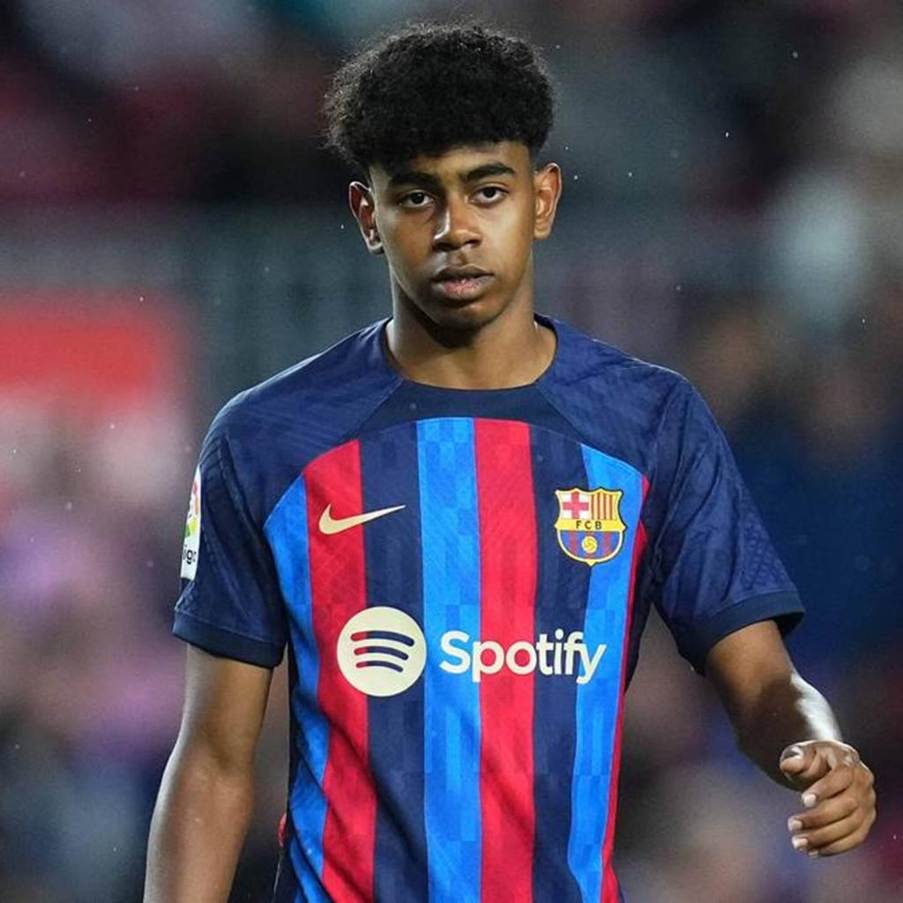
And at Barcelona, there is a name worth remembering: Lamine Yamal is 15 years old.
He made his senior debut in April, becoming Barcelona’s youngest league debutant in the modern era of the club. He turns 16 later this month. There is no need to declare him the next Messi; football has made that mistake often enough. But the talent is sufficiently exciting that Barcelona are already giving him opportunities around the first team.

BBC Sport
+1
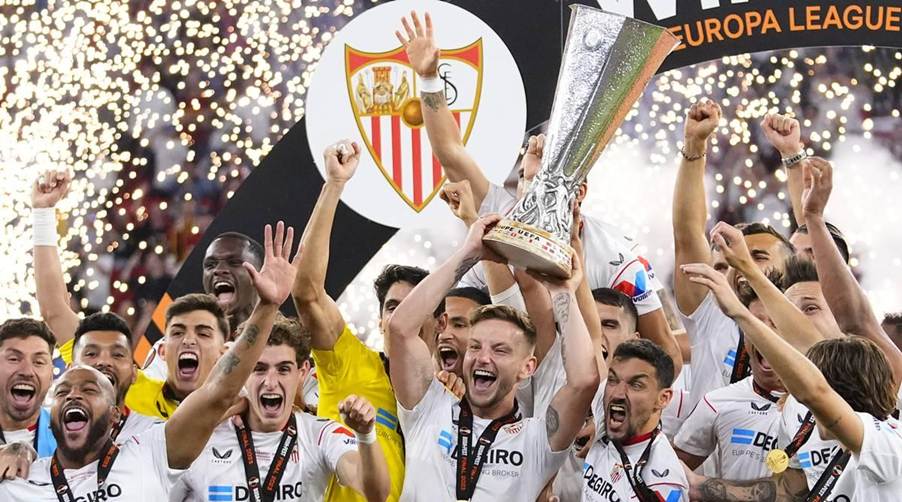
Elsewhere, Atlético Madrid have finished third after a strong second half of the season. Sevilla, meanwhile, have won the Europa League yet again, beating Roma on penalties in Budapest. Their ability to thrive in that competition remains one of European football’s great peculiarities.
3. Italy: Napoli have broken a 33-year wait
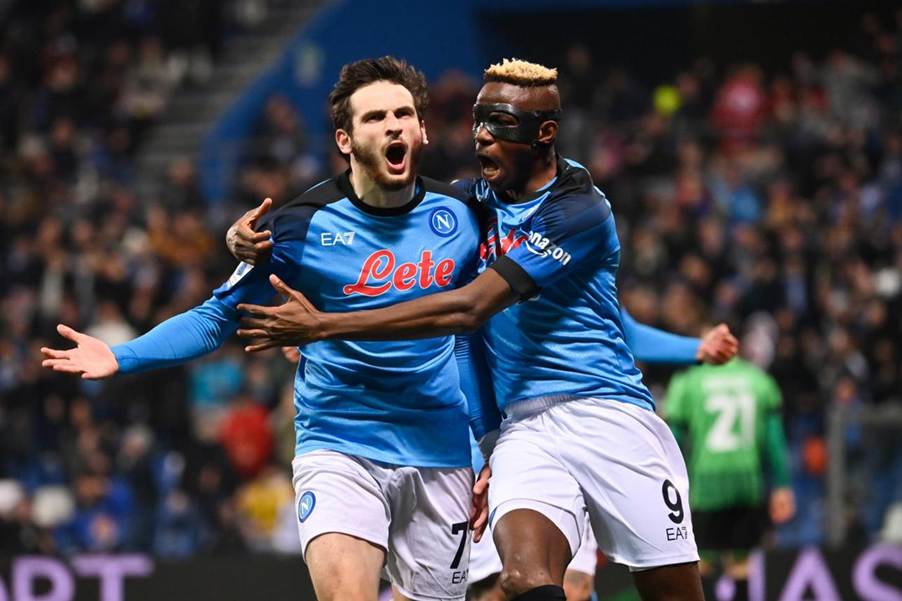
Napoli have won Serie A for the first time since 1990, when Diego Maradona was the club’s talisman. Luciano Spalletti’s side have played exhilarating football, with Victor Osimhen’s finishing and Khvicha Kvaratskhelia’s direct, unpredictable dribbling becoming the defining images of the campaign.
The title is more than a triumph for one team. It has broken the familiar dominance of Juventus, Inter and AC Milan and made Napoli one of the most compelling sides in Europe.
Yet Spalletti is leaving, and Kim Min-jae is attracting interest from Bayern Munich. Can Napoli retain their key players and replace the coach who brought them the Scudetto? Their summer is already complicated.
Inter Milan, beaten by Manchester City in the Champions League final, have shown that they can still compete at the highest level. Simone Inzaghi’s team are tactically sophisticated, with Nicolò Barella and Lautaro Martínez central to their ambitions. AC Milan reached the Champions League semi-finals, where they lost to their city rivals.
Juventus, by contrast, have endured another turbulent season, with a points deduction related to financial irregularities and a return to the Champions League slipping away. Their appeal restored some points before another penalty was imposed. Italian football’s financial and governance questions remain far from settled.
4. Germany and France: Bayern prevail, while PSG face another reckoning
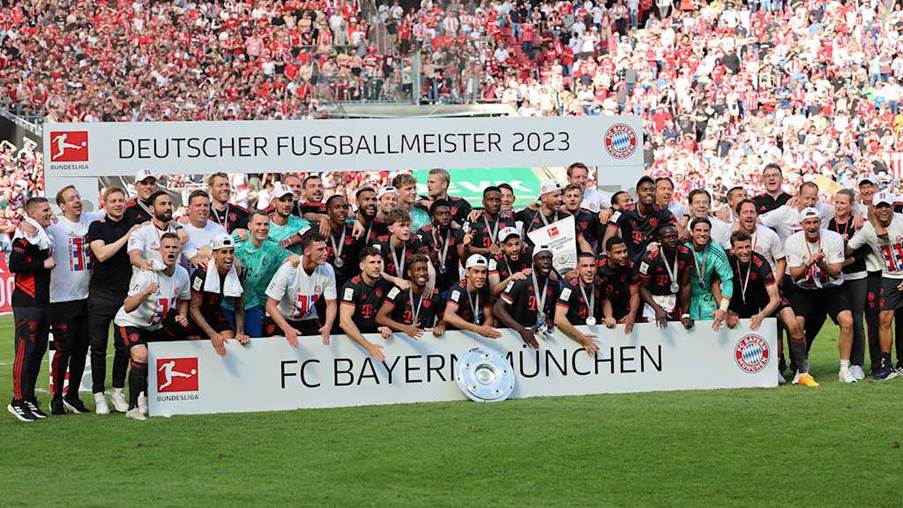
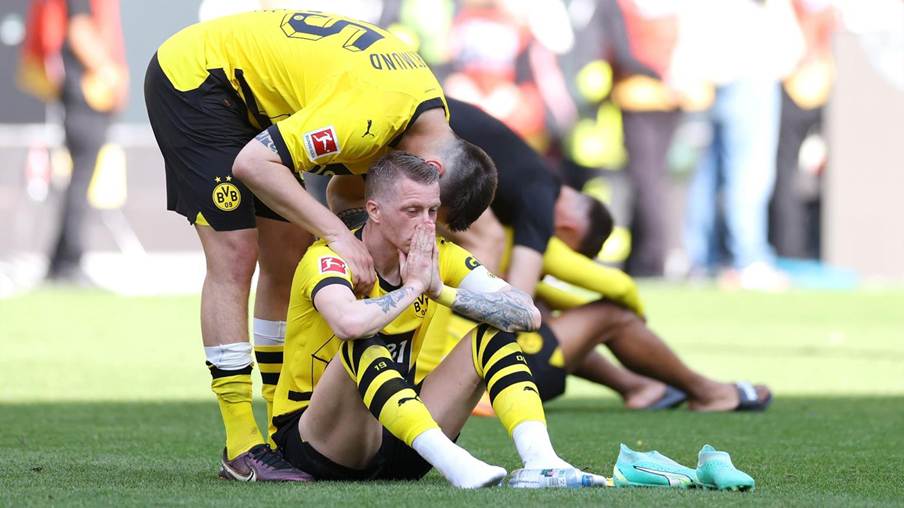
In Germany, Bayern Munich have won the Bundesliga for an 11th consecutive season, but the manner of their victory has been extraordinary. Borussia Dortmund needed only to beat Mainz on the final day to claim the title; they drew, and Bayern snatched the championship on goal difference.
Thomas Tuchel has inherited a club with enormous expectations and a squad that still needs a reliable centre-forward following Robert Lewandowski’s departure the previous year. Harry Kane is an obvious candidate, though Tottenham’s position will be crucial.
RB Leipzig have won the German Cup, while Bayer Leverkusen have finished strongly under Xabi Alonso. The former Liverpool and Real Madrid midfielder is establishing himself as one of Europe’s most interesting young coaches.
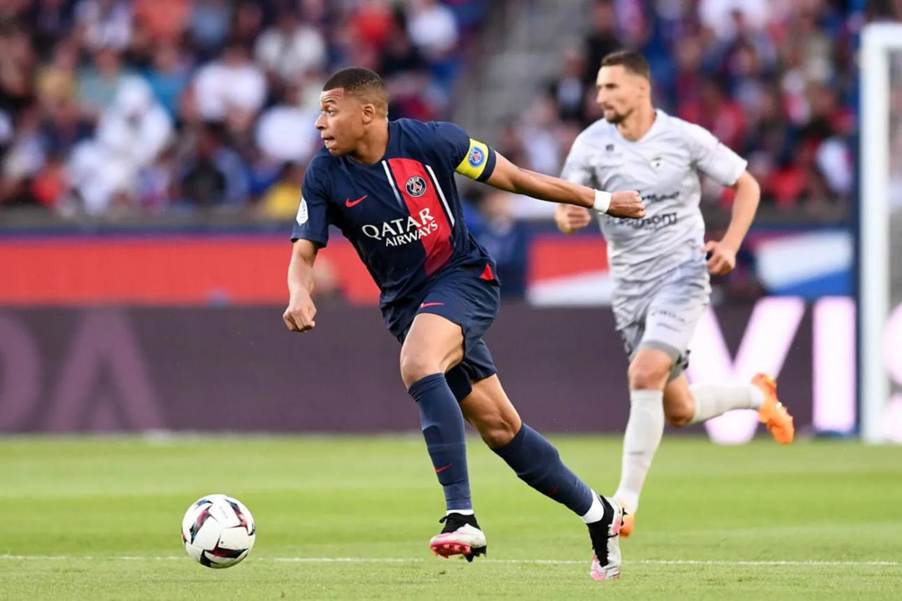
France is a different story. Paris Saint-Germain have won Ligue 1 again, but the project is under scrutiny. Christophe Galtier’s team have failed in Europe, Messi is leaving, and Neymar’s future is uncertain.
Kylian Mbappé, however, remains a PSG player on this date. He has informed the club that he does not intend to trigger the option to extend his contract beyond 2024, creating the possibility that he could leave for free next summer. PSG must decide whether to sell their biggest asset or risk losing him without a transfer fee.
Real Madrid are watching. The possibility of Mbappé finally joining them hangs over the entire European transfer market, even though no outcome is assured.
And keep an eye on Saudi Arabia. Cristiano Ronaldo joined Al-Nassr in January, and Karim Benzema has signed for Al-Ittihad. The money on offer is changing the calculations of established European stars. It is not yet clear whether this is a short-lived burst of spending or the beginning of a lasting shift in the football economy.
5. Scotland: Celtic have the treble, Rangers have a new manager, and Spurs have taken Ange
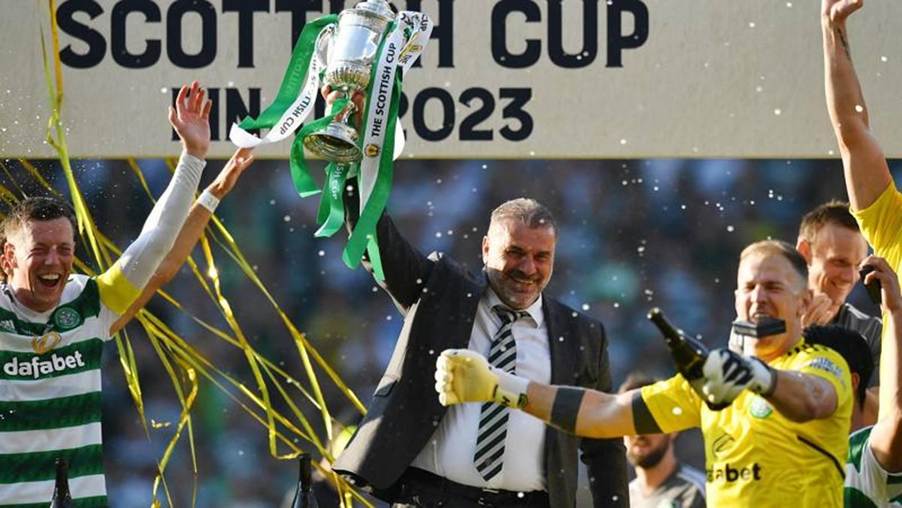
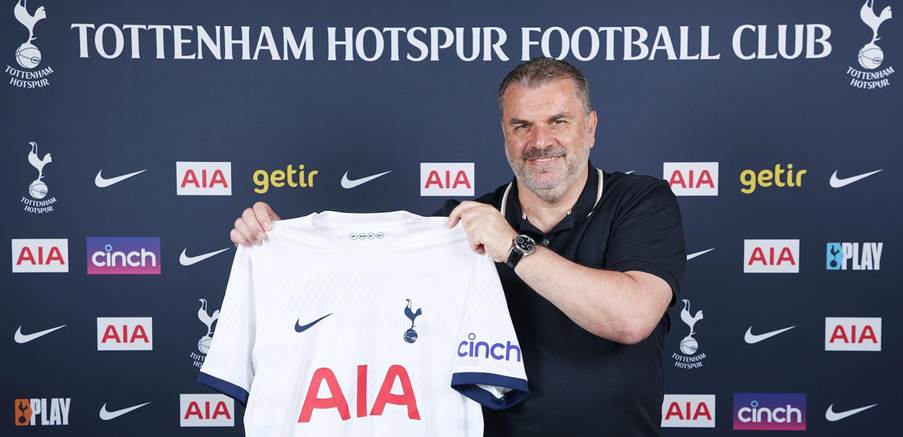
Celtic have completed another domestic treble, their eighth in total, and have appointed Brendan Rodgers as their new manager. The surprise is not that Celtic have won the trophies; it is that Ange Postecoglou, having restored their dominance and won over the support, has departed for Tottenham Hotspur.

BBC Sport
+1
Rodgers returns to a club where he previously won seven domestic trophies. He inherits a strong squad, but the Champions League remains the great challenge: Celtic collected only two points in last season’s group stage.
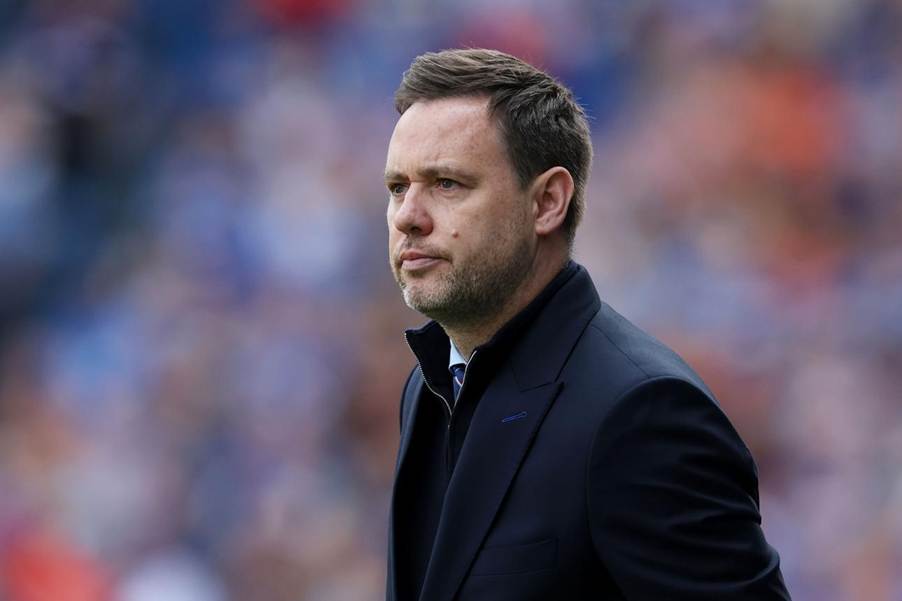
At Rangers, Michael Beale is preparing for his first full season after replacing Giovanni van Bronckhorst in November. He won the League Cup but finished second in the Premiership and lost to Celtic in the Scottish Cup semi-final. Recruitment is essential if Rangers are to make the title race competitive again.
Further down the table, Hearts have secured third place and another European campaign, while Aberdeen and Hibernian will look to build on their respective seasons. Dundee United, meanwhile, have been relegated, with St Johnstone, Kilmarnock and the rest of the league preparing for another competitive campaign.
For Scottish football, the financial gap between the Old Firm and the rest remains the defining issue. The hope is that a stronger European campaign can bring more money into the league, but Celtic and Rangers continue to operate on a different scale from their domestic rivals.
6. The rest of Europe: a changing Champions League landscape
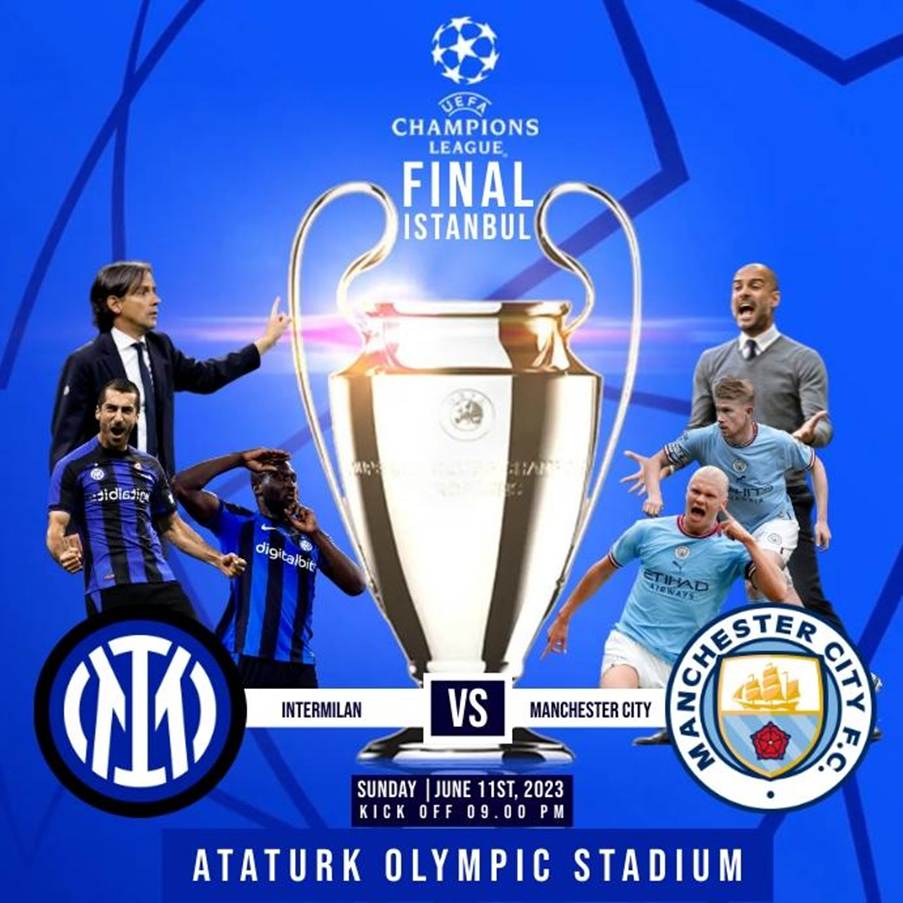
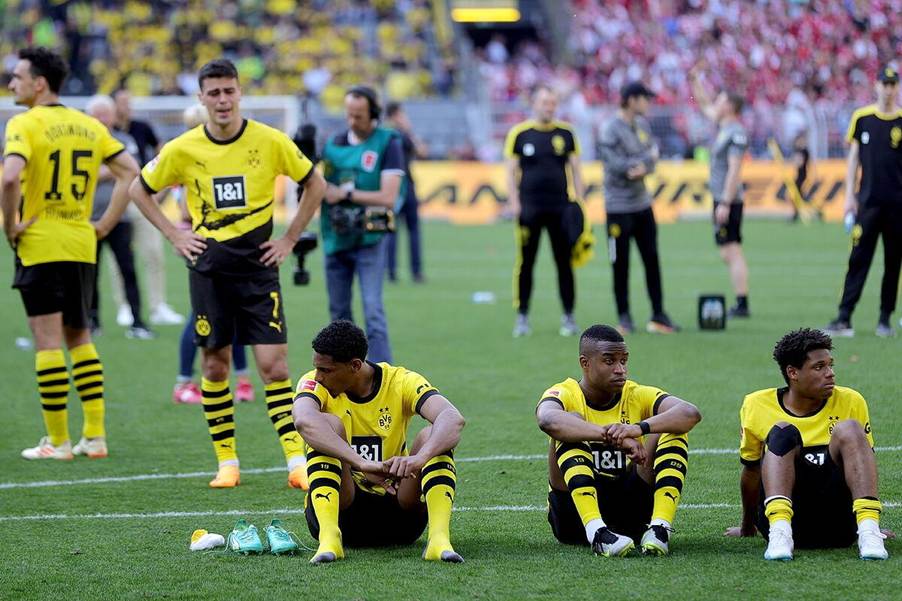
The Champions League has just completed its first season since the World Cup in Qatar, and Manchester City have finally won it. Inter Milan were worthy finalists, while Real Madrid’s semi-final defeat to City marked the end of their defence.
Next season will be the last under the existing Champions League group-stage format before the competition expands to 36 clubs and a single league table in 2024-25. UEFA is preparing for a substantial change in how Europe’s biggest clubs qualify, compete and earn revenue.
In Portugal, Benfica have won the league, with Porto and Sporting Lisbon left to chase them. In the Netherlands, Feyenoord have claimed the Eredivisie under Arne Slot. In Belgium, Royal Antwerp have won the title under Mark van Bommel.
The smaller leagues are increasingly important to the transfer market. Clubs in Portugal, the Netherlands, Belgium and Austria have become highly effective at identifying, developing and selling young players. Their best talent is often recruited before it reaches the wider public’s attention.
8. The Americas: Messi’s next chapter is still unwritten

But his club future remains unresolved. He has left PSG and is considering his next move. Barcelona would love to bring him back, though their finances make a reunion difficult. Saudi Arabia have the money to make an extraordinary offer, and MLS would welcome the global attention he could bring.
In Brazil, Flamengo and Palmeiras remain powerful domestic forces. South American football continues to produce extraordinary talent, but retaining it is increasingly difficult as European clubs recruit teenagers and young adults before they reach their peak.
In the United States, the MLS season is under way and the sport is building towards the 2026 World Cup, which the country will co-host with Canada and Mexico. The prospect of Messi joining MLS could transform the league’s international profile, although as of July 3 that remains an open question.
In Mexico, the Gold Cup is taking place, with the United States and Mexico once again among the favourites. The regional rivalry remains intense, and both countries will be looking to use the next three years to prepare for the biggest tournament either has hosted.
9. Saudi Arabia: the transfer market’s new gravitational force
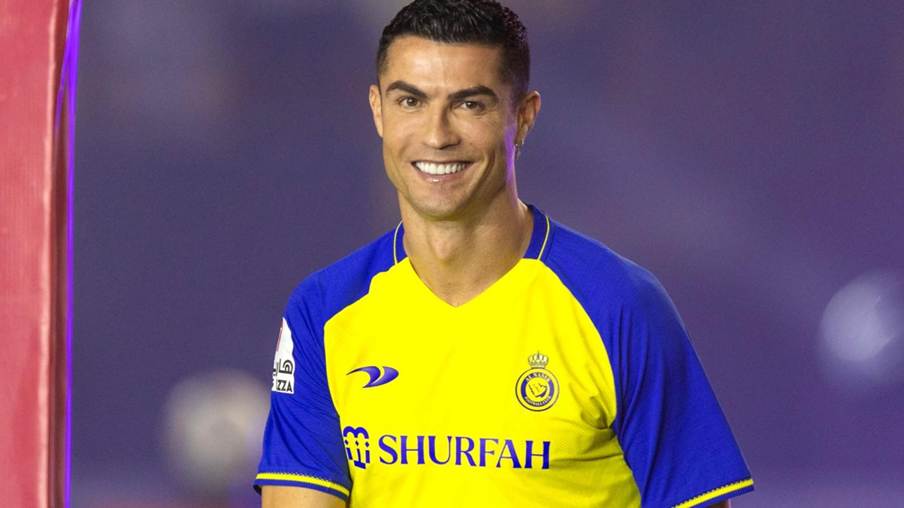
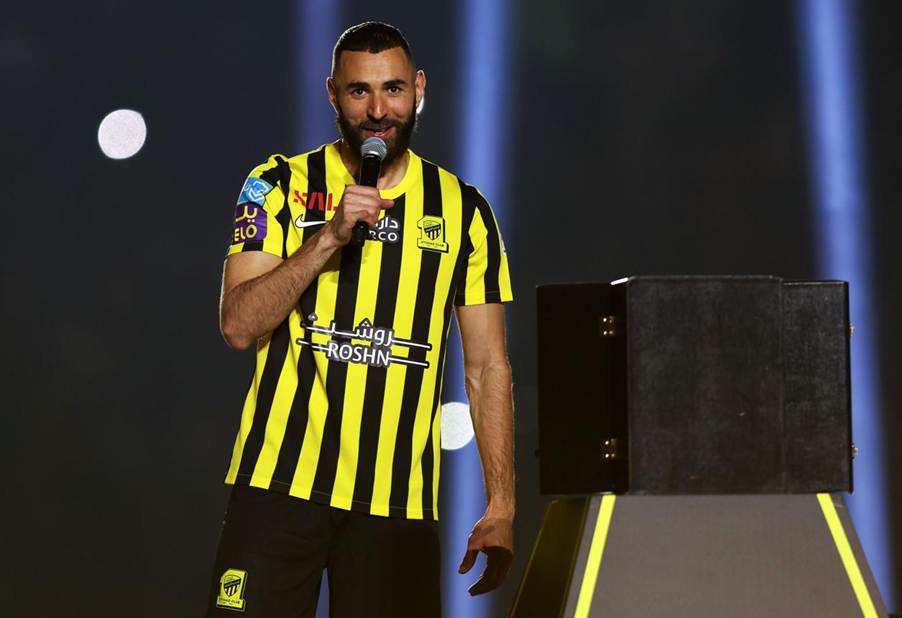
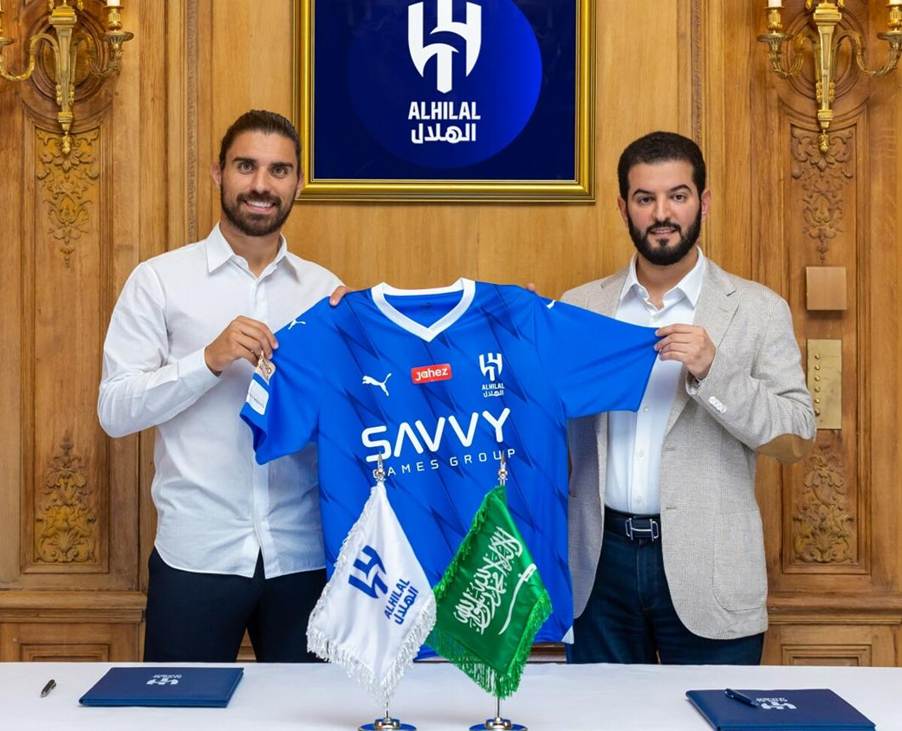
The Saudi Pro League has become impossible to ignore. Cristiano Ronaldo’s arrival at Al-Nassr in January was the opening statement. Karim Benzema has since joined Al-Ittihad, while N’Golo Kanté is also moving to Saudi Arabia. Ruben Neves has left Wolverhampton Wanderers for Al-Hilal.
The strategy is becoming clearer: recruit globally recognised players, raise the league’s profile and develop a domestic football industry with international reach.
There are legitimate questions about whether the spending can be sustained, how competitive the league will become and whether it can attract audiences beyond its new signings. Yet the sums being offered are changing the economics of football.
European clubs may benefit from selling players for large fees. But they also face a new competitor capable of paying wages that few traditional clubs can match.
The next few months will tell us whether Saudi Arabia can attract players in their prime, not merely those approaching the end of their careers.

